Case studies - 22 October 2025

LCA analysis and technical-scientific consultancy for product sustainability

The project in summary

Support for the life cycle assessment of the LT AirPlus neutralizing product

Location
Povoletto (UD)

Period
2024

Client
Labiotest S.r.l.

Gesteco Services Provided
Specialist consultancy for businesses in the field of sustainability

Implementation Time
6 months

Order information

Requirements

Assess the potential environmental impacts of the LT AirPlus neutralizing product and transparently communicate the benefits achieved through the sustainability actions already implemented.

Challenges

LCA studies applied to fragrances and chemical products are still uncommon, and there is a lack of specific datasets for the primary compounds of LT AirPlus.

Results

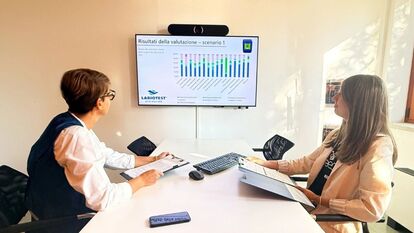
We supported the company in the LCA study for 1 liter of LT AirPlus, evaluating over 30 environmental indicators. We also assisted during the definition of goals and system boundaries, data collection, and LCA modeling, ensuring compliance with the international standards ISO 14040 and ISO 14044.

Context

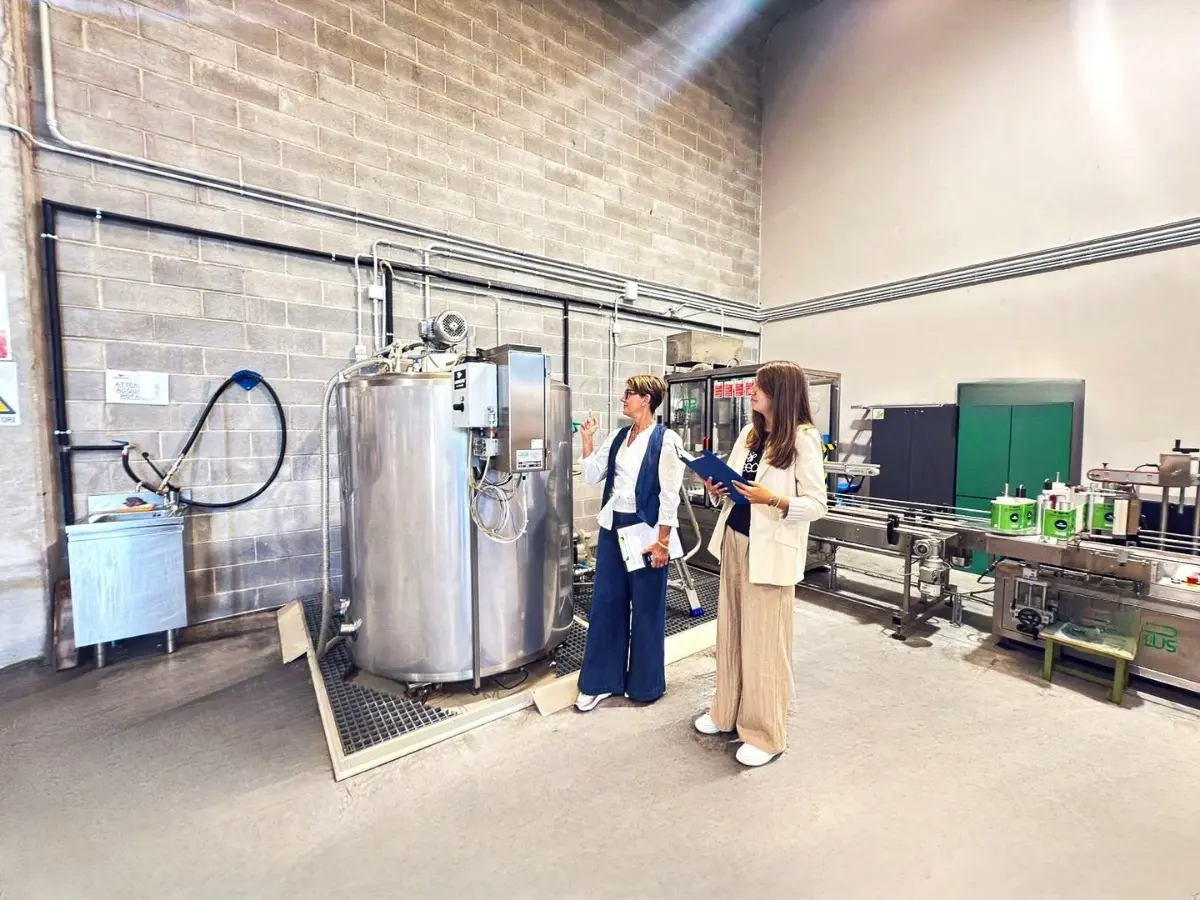
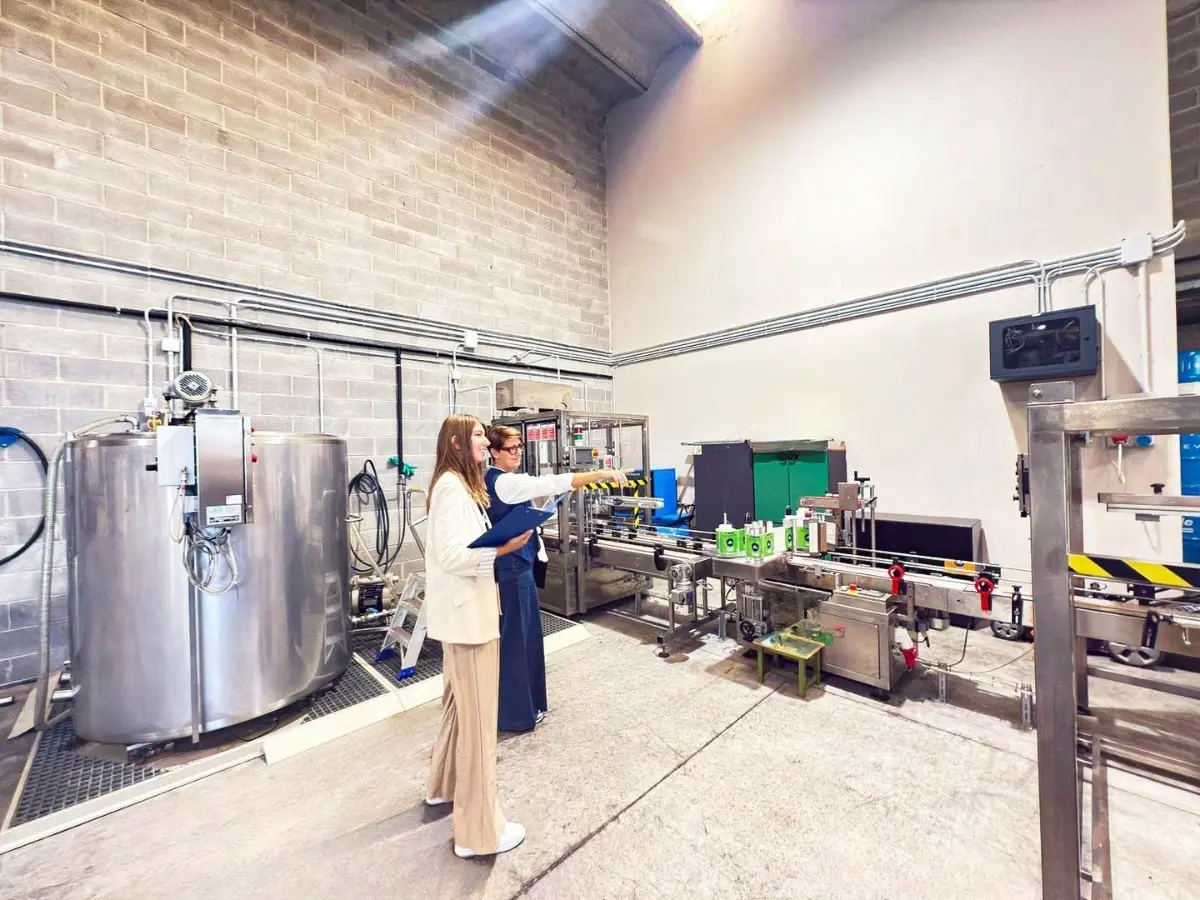
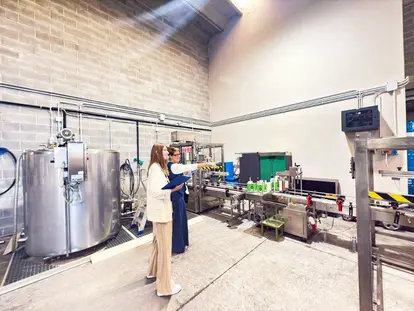
Labiotest, active for over thirty years in research, development, and technological innovation to improve air quality and reduce odors, needed to complete a life cycle assessment (LCA) of its LT AirPlus neutralizing product.
The analysis was part of the company’s broader journey toward a solid and structured environmental strategy.

Technical-scientific support was required throughout all phases of the project: from defining objectives, to building the LCA model, and to analyzing and interpreting the results.

For this reason, Labiotest turned to Gesteco, which, through the Beeability team, provides specialized consultancy in corporate sustainability.

Objective: understand and highlight sustainable choices

The main objective of the LCA study was to provide an objective and transparent assessment of the environmental impacts associated with the life cycle of the LT AirPlus product. Particular attention was given to the effects of the environmental choices already implemented by Labiotest, such as the use of recycled plastic and energy from renewable sources.

Labiotest aimed to leverage the results of the LCA analysis as a strategic support tool, using them to guide decisions targeted at improving production processes and the product’s environmental performance.

Regulatory references and scientific rigor

The methodological framework was primarily based on the following standards:

  • UNI EN ISO 14040:2021 (Environmental management – Life cycle assessment – Principles and framework)
  • UNI EN ISO 14044:2021 (Environmental management – Life cycle assessment – Requirements and guidelines)

Moreover, the study followed a “from cradle to grave” approach, examining every phase of the product’s life cycle: from raw material sourcing, through production, to end-of-life management of packaging.

Tools and methodology

For the LCA study, specific tools were used, including SimaPro software (version 9.6.0.1) and the Ecoinvent 3.10 database (allocation, cut-off by classification), complemented by internally developed spreadsheets by Gesteco for inventory data management.

The final outcome of the study was the definition of an environmental profile for the functional unit of 1 liter of LT AirPlus, with the quantification—across the various life cycle stages—of multiple environmental indicators, such as:

  • Climate change (GWP total, GWP fossil, GWP biogenic, GWP LULUCF, GWP-GHG)
  • Ozone depletion potential (ODP)
  • Acidification (AP) and eutrophication (EP) – freshwater, marine, terrestrial
  • Photochemical ozone formation (POCP)
  • Use of fossil, mineral, and metal resources (ADP)
  • Water consumption (WDP and FW)
  • Primary renewable and non-renewable energy (PERE, PENRE, etc.)
  • Hazardous and non-hazardous waste (HWD, NHWD)
  • Output flows such as recycling, recovery, and reuse
  • Additional indicators such as human toxicity, ecotoxicity, and particulate matter.

The challenge and our integrated approach

Labiotest embarked on this journey in a context where the application of LCA studies to fragrances and chemical products is still not widespread.

The main challenge during the study was the lack of specific datasets for the primary compounds of LT AirPlus, a limitation that required careful methodological assessment and technical adaptation to ensure the robustness of the analysis.

In this context, the contribution of our laboratory proved essential: it allowed for an in-depth understanding of the chemical characteristics of the components and significantly supported the selection of the most consistent and representative datasets available, thereby ensuring the reliability and quality of the LCA model.

At the same time, a thorough literature review was conducted, based on scientific and industry sources, providing a solid informational foundation for defining the life cycle inventory.

Our contribution went beyond environmental modeling, also encompassing the organization of the information flow and the technical interpretation of standards, making the process robust, transparent, and replicable.

Results

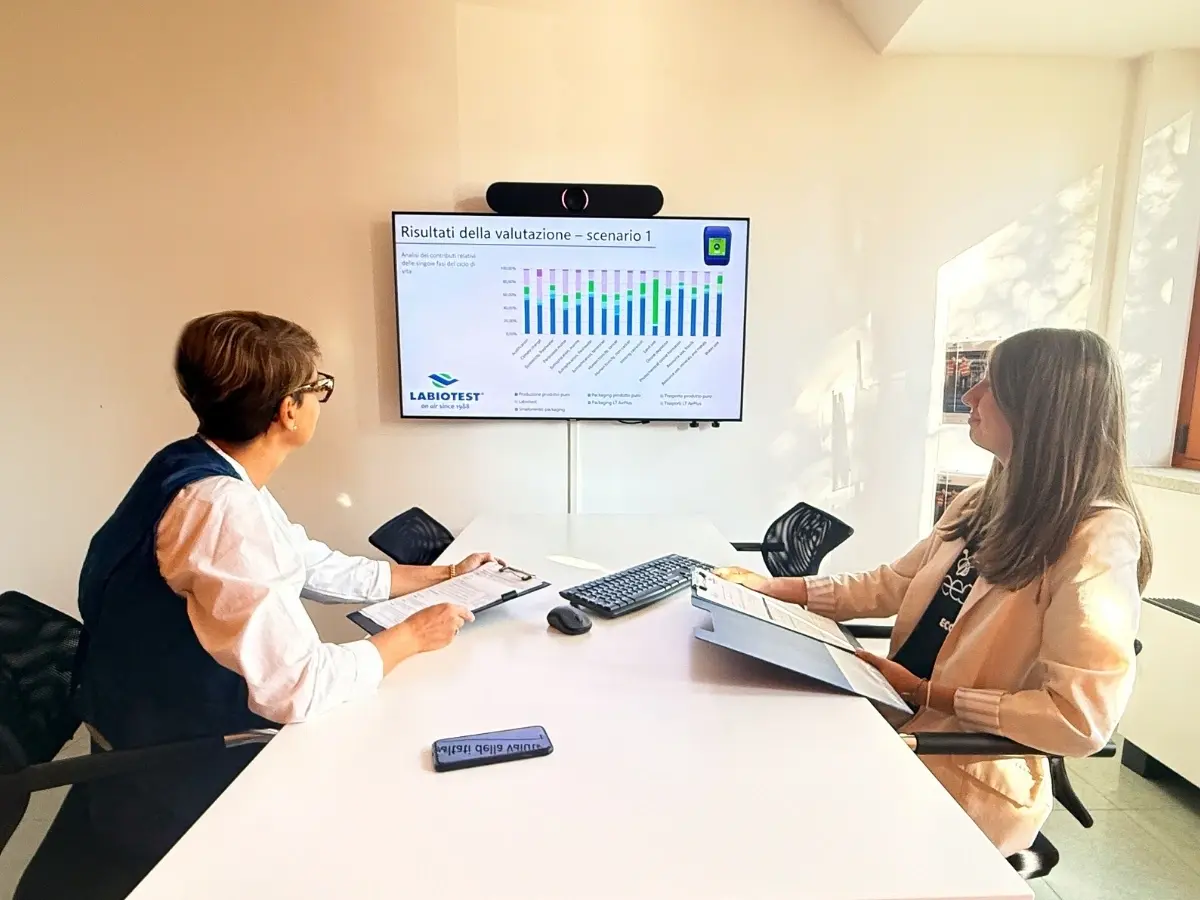
The final results highlight two significant findings:

  • Approximately 65% of the overall impacts are related to the sourcing of raw materials (including packaging).
  • Around 11% are attributable to activities directly under Labiotest’s control.

These findings underscore the importance of engaging the entire supply chain to reduce environmental impacts, while also recognizing the efforts already made by the company to innovate its processes, starting with packaging.

Focus on sustainable choices and the client’s role

For Labiotest, one of the main objectives of the LCA study was to precisely measure the impact of the environmental choices already implemented, such as the use of recycled plastic and energy from renewable sources.
To achieve this, an alternative scenario was constructed, assuming the use of virgin plastic and an energy supply based on the national residual mix. The comparison between these two scenarios revealed a significant finding: the environmental choices already in place allow for an average reduction of impacts by approximately 7%.

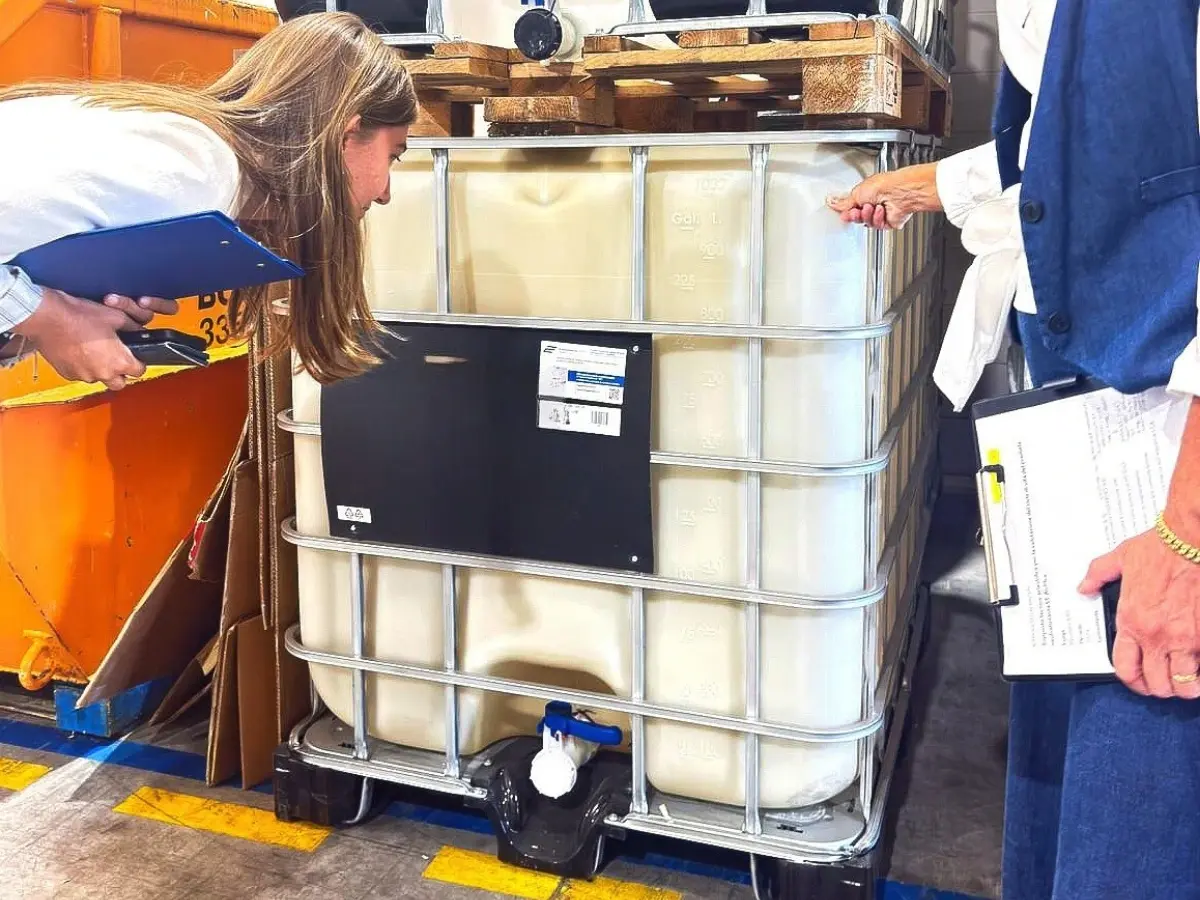
The study also examined the role of the purchaser in the product’s sustainability, analyzing two different available packaging options (20-liter jerrycans made of 70% recycled plastic and 1,000-liter tanks) to evaluate how the choices of the end customer at the time of purchase can significantly influence the product’s overall environmental footprint.

A strategic tool for continuous improvement

The LCA study does not represent a final goal, but rather a strategic tool for continuous improvement. It provides management with objective data essential for guiding new decisions in key areas such as the supply chain, process efficiency, and the selection of low-impact materials.

Moreover, having results obtained through a scientific methodology allows Labiotest to strengthen its communication with clients, partners, and stakeholders, ensuring transparency and reliability. This approach helps consolidate the company’s credibility and prevents greenwashing, thanks to the use of measurable data compliant with international standards.

Through this study, Gesteco and Labiotest have demonstrated how sustainability can be addressed with a scientific method and strategic vision, transforming complex environmental data into concrete tools to improve processes, products, and business decisions.

The LCA analysis is a reliable reflection of the choices we make every day. It makes the benefits of good practices visible and helps us improve with awareness. For us, sustainability means exactly this: concreteness, measurability, and a commitment to continuous improvement.

Adriano Luci
Vice President, Gesteco